Curious about joining our team? We have open positions available. Learn More
Good management of fire safety is essential to prevent fires from occurring and to ensure that if they do occur they are likely to be controlled or contained quickly, effectively and safely, or that, if a fire does occur and grow, everyone in the premises is able to escape to a place of total safety easily and quickly.
The responsible person or dutyholder is legally required to make and implement arrangements for planning, organising, controlling, monitoring and reviewing preventive and protective measures as this topic describes.
Organizations must manage the risk of fires in order to protect the safety of employees and customers and limit physical damage. It is imperative that any organization has a plan in place to minimize the likelihood and impact of fires.
The types of devices and systems used should be carefully considered depending on the type of building, its occupancy, and its use. Always obtain professional advice before installing.
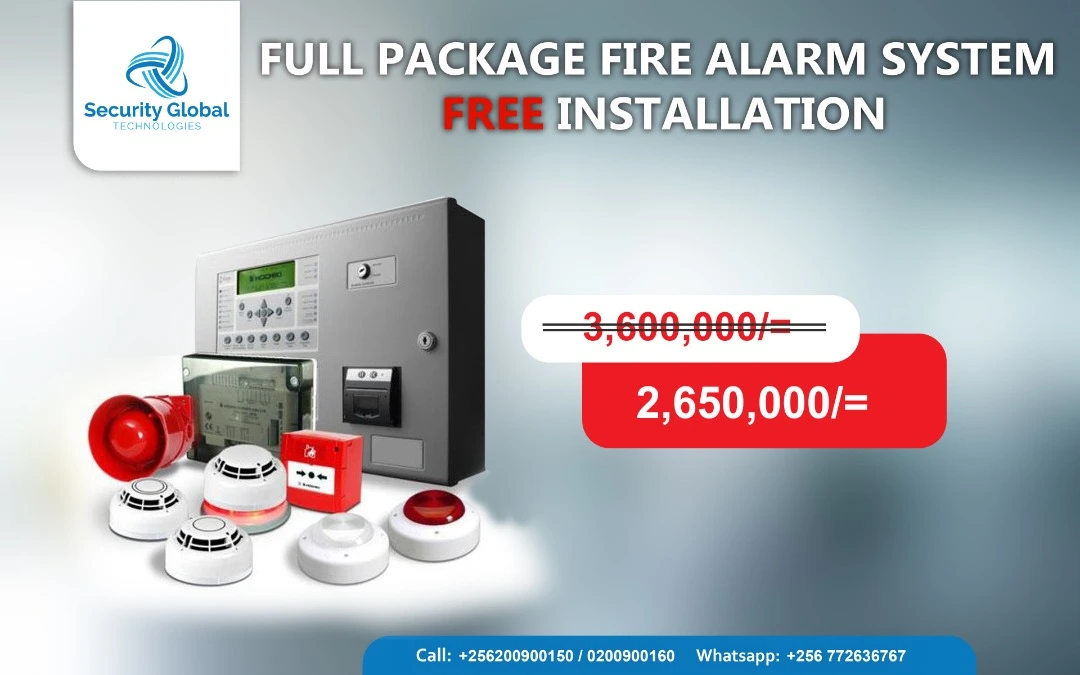
Detection systems can be automatic, such as a detector that activates when it senses smoke or a temperature change; or manual, such as a switch an employee can pull if they see smoke or fire.
Some detection systems are an audible alarm as well as flashing lights to warn of fire and in most cases to prompt evacuation. Others are “switches” designed to create a desired response. For example, some fire doors close automatically when smoke or fire is detected.
Whatever the detection system, organizations must ensure they are properly installed, regularly maintained, and that all employees know what measures to take when the alarm is activated.
Evacuation plans and escape routes should be professionally designed, well displayed, and well-known by staff. Regularly havefire drills so employees can practice evacuation plans, and ensure they know what to do if there are customers in thebuilding. Create fire preparation plans for any staff members who may need assistance evacuating, and have refuge areas wherethey can safely stay until help is available. Designate a meeting place at least 100 metres away from the premise whereemployees can gather after they have been evacuated.
Keep aisles and stairways clear. All furniture and equipment which may be upset under emergency conditions must be out of escape routes.
Fire exits must be regularly inspected and maintained to ensure that they work and are not blocked by items stored in halls, snow, or other debris outside.
Ensure employees are properly educated on how to identify fire hazards and what to do in the event of a fire. Employees must know the location of the nearest fire extinguisher, the nearest fire alarm station, and the nearest two exits. They should also be trained on the appropriate emergency numbers to contact, and when it is appropriate to fight a fire themselves vs. evacuate and call emergency services (if a fire is small, an employee is trained on how to use a fire extinguisher, and they are not alone, it may be safe for them to do so).
In addition to employee actions during a fire, organizations can consider automatic or manual fire suppression systems that will stop a fire from spreading.
Automatic fire suppression systems include sprinkler systems, chemical suppression such as CO2 and Halogen systems, and fire doors. It is crucial that fire doors are never forced or propped open, as this ruins their effectiveness.
These practical fire prevention strategies are a useful tool to help you identify your organization's risks of fire damage and minimize potential losses.
At Security Global Technologies we offer a wide range for fire management equipement right from fire alarms, fire hydrants, fire fire extinguisher to fire proof doors. Contact Us or call us and we shall give you more details depending on your business usecase and demands
We work 7 days a week, every day excluding major holidays. Contact us if you have an emergency, with our Hotline and Contact form.
Monday - Friday:
9:00 - 17:00
Saturday:
12:00 - 15:00
Sunday and holidays:
09:00 - 14:00
Copyright © 2026 Security Global Technologies. All Rights Reserved.